Polyglot Embroidery Font: A Multilingual Design Tool for Creative Embroidery
The Polyglot Embroidery Font is a unique and versatile embroidery design that stands out in the world of textile art. Unlike traditional fonts used in digital design, this font is specifically crafted for embroidery machines, allowing users to create intricate text in multiple languages. Its multilingual design makes it an ideal choice for those looking to add international flair to their projects, whether they are crafting custom gifts, creating bilingual signs, or designing promotional materials.
What Makes Polyglot Embroidery Font Unique?
At its core, the Polyglot Embroidery Font is designed with adaptability in mind. It supports a wide range of languages, including but not limited to English, Spanish, French, German, Italian, and many others. This feature allows embroiderers to seamlessly switch between languages without needing separate font sets, which can be both time-consuming and costly.
One of the standout features of this font is its compatibility with various embroidery formats. Whether you're using .dst, .pes, .exp, or other common file types, the Polyglot Embroidery Font is designed to work across different embroidery machines. This flexibility ensures that users can integrate the font into their existing workflow without significant adjustments or additional software purchases.
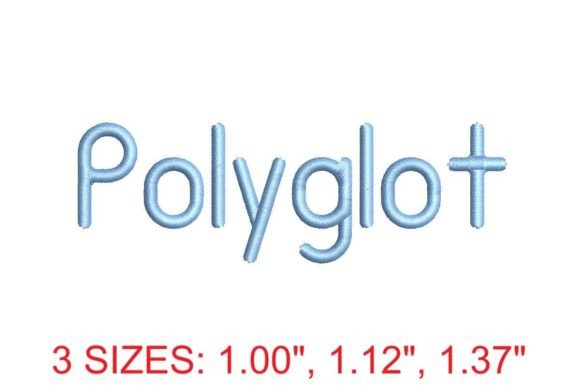
In addition to its language support, the font's design is optimized for embroidery. The stitches are carefully structured to ensure clarity and readability, even when scaled down or up. This attention to detail helps maintain the integrity of the text, making it suitable for both small labels and large banners.
Comparing Polyglot Embroidery Font with Similar Options
While there are several embroidery fonts available on the market, the Polyglot Embroidery Font distinguishes itself through its multilingual capabilities. Many standard embroidery fonts are limited to a single language or a few specific scripts, which can be restrictive for creators aiming to cater to diverse audiences.
For instance, some popular embroidery fonts focus solely on English or use simplified characters that may not translate well into other languages. In contrast, the Polyglot Embroidery Font offers a comprehensive selection of characters, making it more versatile for international projects. However, it’s worth noting that this versatility comes at the cost of increased file size and potential complexity in managing multiple languages within a single design.
Another point of comparison lies in the level of customization offered. While some embroidery fonts provide basic styling options such as bold or italic, the Polyglot Embroidery Font goes further by offering variations in stroke width and stitch density. These options allow users to fine-tune the appearance of their text to match the desired aesthetic and functional needs.
Strengths and Limitations
The strengths of the Polyglot Embroidery Font are evident in its ability to support multiple languages and its compatibility with various embroidery formats. For designers working on multicultural or multilingual projects, this font is a valuable asset that simplifies the process of incorporating diverse text elements into their designs.
However, there are also limitations to consider. One notable drawback is the potential complexity involved in managing multiple languages within a single design. Users must be mindful of character spacing, alignment, and overall layout to ensure the final result is visually appealing and legible.
Additionally, while the font is highly adaptable, it may not be the best choice for all types of embroidery projects. For example, if a designer is focused on intricate patterns or detailed illustrations, the emphasis on text might not align with their creative goals. In such cases, alternative fonts that prioritize visual complexity over linguistic versatility could be more appropriate.
When to Choose Polyglot Embroidery Font
The Polyglot Embroidery Font is particularly well-suited for projects that require multilingual support. This includes items such as bilingual greeting cards, cultural textiles, and promotional materials aimed at international audiences. It is also an excellent choice for individuals who frequently work with different languages and need a reliable, consistent font that can be easily integrated into their workflow.
Furthermore, the font is ideal for those who value efficiency and convenience. By eliminating the need for multiple font sets, it streamlines the design process and reduces the risk of errors or inconsistencies in language representation.
Realistic Examples and Practical Comparisons
To better understand the practical applications of the Polyglot Embroidery Font, consider the following examples:
- Bilingual Signage: A local business owner wants to create signage in both English and Spanish. Using the Polyglot Embroidery Font, they can design a single sign that clearly displays both languages without needing separate font files.
- Cultural Projects: An artist creating a series of embroidered pieces inspired by global cultures can use the font to incorporate text in various languages, enhancing the authenticity and depth of their work.
- Custom Gifts: A gift shop owner looking to offer personalized items can use the font to create custom tags or labels in multiple languages, appealing to a broader customer base.
These examples highlight how the Polyglot Embroidery Font can be applied in real-world scenarios, demonstrating its value as a tool for creative and practical embroidery projects.
Making an Informed Decision
Choosing the right embroidery font depends on your specific needs and goals. If you are looking for a font that supports multiple languages and offers flexibility in design, the Polyglot Embroidery Font is an excellent option. However, if your project requires a more specialized or stylized approach, you may want to explore other fonts that cater to specific artistic or functional requirements.
Ultimately, the key to success lies in understanding your project’s needs and selecting a font that aligns with them. The Polyglot Embroidery Font is a strong contender for those seeking a multilingual, adaptable solution, but it’s important to evaluate your options carefully before making a decision.